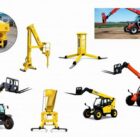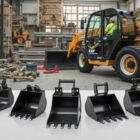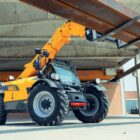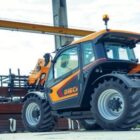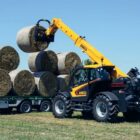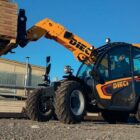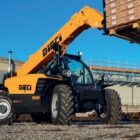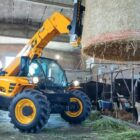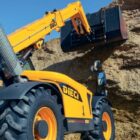

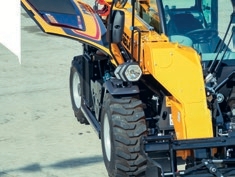
Telescopic handlers, which are continuously increasing their presence in both the construction and agricultural sectors, are becoming an indispensable tool in a wide spectrum of applications thanks to their unmatched versatility. To enable effective project planning, it is extremely important to have a deep understanding of rental costs and factors affecting these prices, which allows for making an informed choice of appropriate equipment and optimizing rental strategies tailored to specific operational needs and requirements.
How Much Does an Hour of Telescopic Handler Work Cost: Introduction
A telescopic handler is an extremely versatile construction equipment that combines the functionality of a forklift and a crane, enabling the lifting of loads to significant heights. In the context of rental, it is crucial to understand the hourly operating costs of this device, as well as **how much an hour of telescopic handler work costs**, which is essential for construction company owners, farmers, and potential operators. Rental prices vary depending on many factors, such as the handler model, rental period, and region of use. In this article, we will examine the following issues:
- Telescopic handler rental costs.
- Factors affecting rental prices.
- Most popular telescopic handler models.
- The role of operators and required qualifications.
- Summary regarding equipment rental vs. purchase.
What is a telescopic handler and how much does an hour of telescopic handler work cost?
A telescopic handler is a specialized device capable of lifting loads in various industries, such as construction or agriculture. The use of a telescopic boom enables reaching hard-to-access places, making these machines extremely functional. **How much an hour of telescopic handler work costs** varies and is a key element in planning construction projects:
- Maximum lifting capacity: from 3 to 30 tons, depending on the model.
- Lifting height: from 4 to 26 meters, which affects its application in various projects.
- Fuel efficiency: an important component when calculating operational costs.
The most popular SEO phrases related to this topic include “telescopic handler operating cost” and “telescopic handler characteristics”.
What are the average rental costs?
Average telescopic handler rental rates are as follows:
- Minimum prices: around 300 PLN per day.
- Maximum prices: up to 600 PLN per day.
- Hourly rates: from 40 to 150 PLN, depending on the model.
These differences result primarily from the equipment model and its performance.
Daily rates – what shapes them?
Setting daily rental rates depends on several key elements:
- Type of work: more demanding tasks may increase rental prices.
- Rental period: longer rental periods often enable more favorable rates.
- Additional accessories: their presence may increase the total rental cost.
Technical specifications vs. rental cost: what to pay attention to?
When choosing a telescopic handler for rental, it’s worth paying attention to its technical specifications:
- Lifting capacity: a key parameter for many applications.
- Boom length: affects the device’s operating range.
- Drive type: four-wheel drive systems may increase rental prices.
The role of the operator in working with telescopic handlers
Telescopic handler operators play a crucial role in the effective use of equipment. Their main responsibilities include:
- Operating equipment in accordance with safety procedures.
- Performing technical inspections before starting work.
- Precise equipment operation, which minimizes accident risk.
Required qualifications and training for operators
To work as a telescopic handler operator, it is necessary to have appropriate qualifications:
- Qualification certificate: required by law.
- Theoretical and practical courses: organized by certified training centers.
Operator earning potential – what’s worth knowing?
Average earnings for telescopic handler operators in Poland are approximately 4,510 PLN per month, with a salary range from 3,670 PLN to 5,960 PLN:
Technology supporting operators – joystick and safety systems
Modern technologies supporting the work of telescopic handler operators, such as advanced joysticks and safety systems, significantly improve work comfort and safety:
- Joystick: reduces operator fatigue during long-term work.
- Safety system: automatic solutions minimize accident risk.
Conclusions
Making informed decisions regarding the rental or purchase of telescopic handlers is the foundation of success for any construction or agricultural venture. Cost analysis and understanding factors affecting rental prices allows for budget optimization, which is crucial for maintaining market competitiveness. Additionally, choosing the appropriate equipment model and investing in operator training contribute to operational efficiency while minimizing the risk of unforeseen expenses. Considering local price differences and utilizing modern technologies enables better adaptation to specific project needs, ultimately leading to achieving intended business goals.