

Introduction to telescopic loader risk assessment
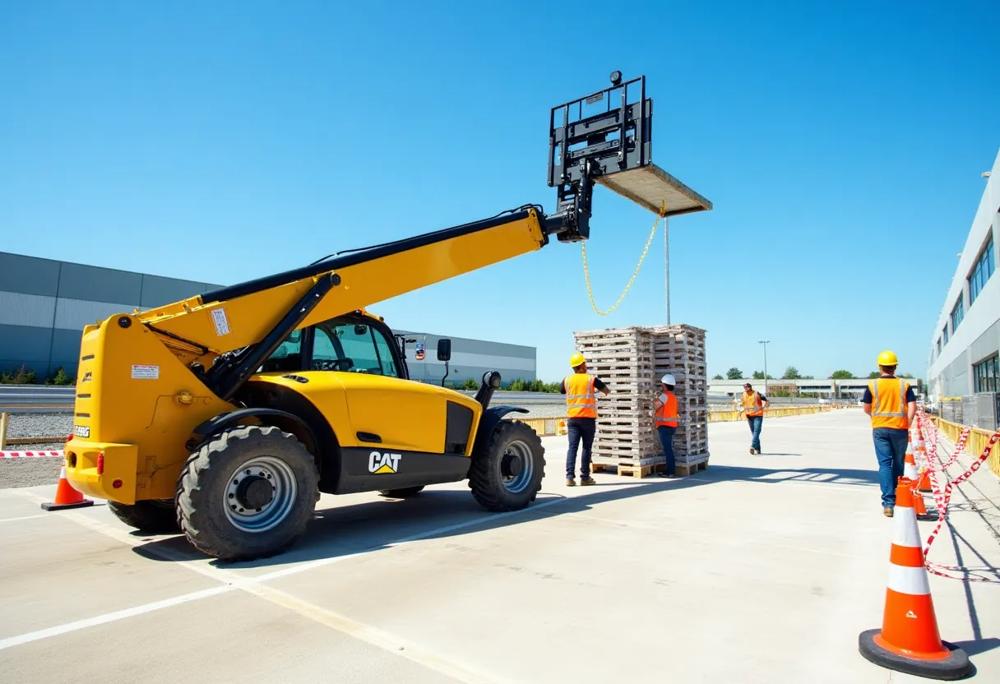
Telescopic loaders are extremely versatile machines that have gained wide recognition in various sectors of the economy, such as construction, agriculture and logistics. Equipped with modern solutions, such as a variable boom and the ability to install various attachments – from buckets to work platforms – they effectively support transport processes and manipulation of various loads. Despite numerous advantages, the use of these devices carries certain risks that require careful and comprehensive risk assessment.
Risk assessment is a fundamental process involving the identification, analysis and evaluation of potential hazards associated with the operation of telescopic loaders. The main goal of this activity is to ensure safety not only for operators, but also for other workers working near these machines. Workplace safety plays a key role, which is why it is extremely important to comply with risk assessment standards.
In this article, we will discuss in detail the key aspects related to risk assessment, legal regulations, the role of training and practical principles of safe use of telescopic loaders. We will also present the most common hazards and methods of their effective minimization, which will allow for better understanding and implementation of safe practices in daily work.
Definition of telescopic loader and its application
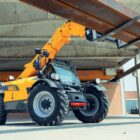
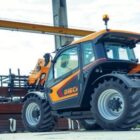
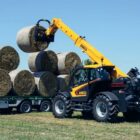
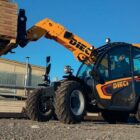
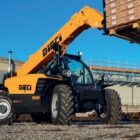
Telescopic loader is advanced equipment characterized by:
- variable boom, which enables reaching great heights and accessing hard-to-reach places,
- high lifting capacity, allowing for transporting various loads,
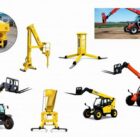
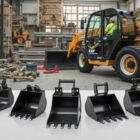
- possibility of mounting various attachments, such as loading buckets, pallet forks, lifting hooks or work platforms.
Telescopic loaders find application in many industries, including:
- Construction: used for transporting building materials, assembling structures and loading and unloading heavy elements.
- Agriculture: invaluable during grain loading, fertilizer transport and warehouse work.
- Logistics: they enable efficient load manipulation in warehouses, truck loading and warehouse space optimization.
Proper selection of attachments is crucial for full utilization of the telescopic loader’s potential in specific tasks, which translates into increased efficiency and safety of operations.
Significance of risk assessment in the context of telescopic loader use
Risk assessment plays a key role for both operators and employers. Why is this so important?
- It enables hazard identification related to loader operation, which allows for conscious implementation of preventive measures.
- Thanks to it, it is possible to implement remedial measures that significantly increase the level of work safety.
- It promotes compliance with regulations and regulations regarding occupational health and safety, which is necessary for the legal functioning of the enterprise.
- It minimizes the risk of accidents at the workplace, which translates into smaller losses and greater operational stability.
Risk assessment not only protects the health and lives of employees, but also positively affects the operational efficiency of a given workplace, enabling smoother and safer conduct of activities.
Types of hazards associated with telescopic loaders
During operation of telescopic loaders, various hazards may occur, which can be classified in several key categories:
- Mechanical hazards: operators may be exposed to moving parts and the risk of machine overturning, especially on uneven terrain.
- Ergonomic hazards: prolonged work in improper position and repetitive movements can lead to injuries and health problems.
- Environmental hazards: performing work in difficult weather conditions, which may negatively affect operator safety.
Each of these hazards requires detailed analysis and risk assessment to effectively minimize the risk of accidents and ensure safe working conditions.
Analysis of potential hazards in the work environment
In the context of telescopic loaders, key hazards include:
- Machine overturning: may occur as a result of careless maneuvering, especially on uneven or slippery terrain.
- Fall from height: often results from improper use of the boom and lack of appropriate safety measures for the operator.
- Contact with moving parts: operators must be aware of the risk associated with proximity to moving machine elements, which requires special caution.
Regular inspections and equipment maintenance are necessary to ensure its safety and minimize these hazards, which translates into longer machine life and user safety of telescopic loaders.
Accidents and incidents related to telescopic loader operation
Statistics clearly show that improper operation of telescopic loaders leads to numerous accidents. Here are some examples:
- In 2019 there was a 30% increase in the number of accidents compared to the previous year, indicating growing safety challenges.
- The most common causes of accidents include:
- improper machine operation, which often results from lack of experience or operator inattention,
- lack of training and appropriate qualifications, which leads to improper use of equipment,
- neglect of occupational health and safety rules, which ultimately increases the probability of dangerous situations.
To effectively prevent accidents, it is crucial to conduct regular training for operators and adapt safety procedures to current working conditions and technology.
Significance of ergonomics and safety in operations
Workplace ergonomics is a key aspect that can significantly reduce risk assessment. Here are the principles of safe operation of telescopic loaders:
- Using appropriate protective equipment, such as helmets, gloves and work clothing, which minimizes the risk of injury.
- Regular training on proper machine operation and maneuvering techniques, which increases operator awareness of potential hazards.
- Workplace optimization to ensure comfortable operating conditions, which promotes efficiency and safety.
Careful adherence to ergonomic principles not only minimizes the risk of health problems, but also contributes to overall workplace safety of telescopic loaders.
Legal regulations regarding risk assessment
In Poland, employers are required to conduct occupational risk assessment in accordance with applicable regulations. Key regulations include:
- Obligation to conduct risk assessment before starting work with new equipment, which allows for early detection and elimination of potential hazards.
- Requirement for regular reviews and updates of risk assessments, which ensures that the assessment will reflect current working conditions and technologies.
- Importance of compliance with occupational health and safety rules and guidelines of Technical Supervision Offices, which is necessary for legal compliance and work safety.
Employers who do not comply with these regulations expose themselves and their employees to the risk of accidents, and may also face serious legal consequences, including financial penalties and criminal liability.
Labor Code and occupational risk assessment requirements
The Labor Code imposes specific obligations on employers related to occupational risk assessment, such as:
- Obligation to prepare risk assessment documentation, which describes in detail potential hazards and ways to eliminate them.
- Regular reviews and updates of identified risks and implementation of appropriate corrective actions, which allows for continuous improvement of safety standards.
- Consequences of failure to conduct risk assessment, which may include financial penalties and criminal liability for employers, which emphasizes the importance of compliance with these regulations.
Occupational health and safety regulations and technical supervision in the context of telescopic loader use
Occupational health and safety regulations establish a number of requirements regarding the operation of telescopic loaders, which include:
- Conducting regular training for operators, which ensures they are up to date with the latest safety techniques and procedures.
- Obligation to have appropriate qualifications and certificates, which guarantees that operators have the necessary knowledge and skills for safe machine operation.
- Conducting regular technical inspections of telescopic loaders, which enables early detection and elimination of potential faults and hazards.
Technical supervision plays a key role in ensuring that equipment meets all required safety standards, which is the basis for safe and efficient work.
Certifications and training for telescopic loader operators
| Element | Description |
|---|---|
| Training Center | Provides courses for telescopic loader operators in various locations in Poland, closely cooperating with the Technical Supervision Office (UDT). |
| Certificates | Mandatory certificates awarded by UDT, necessary for legal and safe operation of telescopic loaders. |
| Energy qualification groups | G1, G2, G3 – determine the scope of operated equipment and electrical, gas and thermal installations, which is crucial for operation safety. |
| Training | Basic, advanced and specialized courses are offered, covering different types of machines and work techniques, which allows for continuous improvement of operator qualifications. |
| Documentation | Training registers, certificates and technical inspection reports are necessary to meet legal requirements and monitor training quality. |
Role of Offices and institutions in supervision
The Technical Supervision Office (UDT) plays a key role in the process of supervising the safety of telescopic loader use, through:
- Granting operators required qualifications and certificates, which guarantees that only qualified workers can operate machines.
- Implementing compliance control with occupational health and safety regulations and technical regulations, which ensures compliance with all safety standards.
- Cooperation with training centers to ensure high training standards and up-to-date knowledge transfer.
Risk assessment procedure in practice
Occupational risk assessment consists of several key stages that enable comprehensive understanding and management of potential hazards:
- Hazard identification: involves recognizing all potential sources of hazards related to telescopic loader operation, which is the basis for further analysis.
- Risk analysis: includes assessment of the hazard level and potential consequences of possible accidents, which allows for prioritization of actions.
- Implementation of remedial measures: involves developing and implementing actions that minimize risk, such as changes in operational procedures or installation of additional safety measures.
Documentation plays an important role in the entire risk assessment process, enabling tracking of implemented changes and evaluating their effectiveness, which is crucial for continuous improvement of safety standards.
Stages of conducting occupational risk assessment
The occupational risk assessment process can be described as follows:
- Identification of potential hazards and dangerous situations, which requires thorough analysis of the work environment and specifics of the equipment used.
- Risk assessment related to each identified hazard, which includes analysis of probability of occurrence and potential consequences.
- Determining the possibility of introducing remedial measures and evaluating their effectiveness, which allows for selecting the most effective solutions to minimize risk.
Documentation and reporting related to risk assessment
In the context of risk assessment, important documentation elements include:
- Risk assessment report, which contains detailed hazard analysis and proposed remedial measures, forming the basis for taking preventive actions.
- Registers of conducted training for operators, which enables monitoring their qualifications and knowledge updates.
- Reports from equipment inspections and reviews, which allow for ongoing assessment of machine technical condition and identification of possible faults.
Role of employers and operators in the risk assessment process
In the risk assessment process, both employers and operators have important obligations:
- Employers: are obliged to conduct risk assessment and implement appropriate safety procedures, which is the foundation of a safe work environment.
- Operators: should continuously identify potential hazards and immediately report them to employers, which enables quick response and risk elimination.
Significance of training and qualifications for telescopic loader operators
Training is a key element ensuring safety and efficiency of telescopic loader operator activities. Investment in training programs that include:
- Machine operation and occupational health and safety rules, which ensures that operators are aware of safe work principles and can properly operate equipment,
- Work techniques and practical skills, which allows for operation optimization and minimization of error risk,
- Regular knowledge updates in connection with technological innovations, which guarantees that operators are up to date with the latest solutions and procedures.
Types of training available for telescopic loader operators
Operators have the opportunity to choose from different types of training, which may include:
- Basic and advanced courses, adapted to the level of experience and specialization of operators,
- Specialized training programs for specific types of machines, which enables operators to acquire knowledge necessary for operating different models of telescopic loaders.
Certifying institutions and courses organized by training centers
Training Centers offer a wide range of courses for telescopic loader operators, which take place in various locations in Poland. Cooperation with the Technical Supervision Office (UDT) ensures that the offered courses comply with the highest quality standards, which guarantees training effectiveness and operator safety.
Energy qualification groups and telescopic loader operation
There are three energy qualification groups (G1, G2, G3) that are crucial for telescopic loader operators:
- G1: qualifications for operating equipment and electrical installations, which is necessary for safe equipment manipulation in electrical environments,
- G2: qualifications for operating equipment and gas installations, which ensures safety when working with gas-powered devices,
- G3: qualifications related to equipment and thermal installations, which enables safe work with machines using heat.
To ensure the highest level of safety, operators must have appropriate qualifications that are consistent with the nature of the work performed and the specifics of the equipment used.
Safe use of telescopic loaders
Compliance with occupational health and safety rules and application of best safety practices by telescopic loader operators is crucial for ensuring workplace safety. Below we present the most important principles:
Best occupational health and safety practices for operators
Telescopic loader operators should follow these rules:
- Wearing appropriate personal protective equipment, such as helmets, gloves and work clothing, which minimizes the risk of injury in case of unforeseen situations,
- Following safe machine operation rules in various working conditions, which ensures stability and control over the device,
- Regular equipment reviews and maintenance, which guarantees its technical efficiency and minimizes the risk of failures.
Impact of regular training on work safety
Continuous training has a significant impact on increasing the level of work safety, as it leads to better knowledge of potential hazards and the ability to identify them. Thanks to this, operators are able to avoid accidents and respond to dangerous situations more effectively. Introduction of modern training techniques and procedures further increases the level of operator safety, which translates into overall safety culture in the workplace.
Examples of situations related to use and risk assessment in various industries
Examples from the construction, agricultural and logistics industries perfectly illustrate how extremely important risk assessment is for ensuring work safety. In situations such as improper use of the boom or lack of appropriate attachments, risk assessment proved to be a key tool in implementing rules aimed at reducing the probability of accidents. Thanks to this, effective risk management and creation of a safe work environment is possible, which translates into greater efficiency and smaller losses for enterprises.
Summary of the essence of risk assessment for telescopic loader operators
Risk assessment is a key element in ensuring the safety of telescopic loader operators. Compliance with occupational health and safety regulations and investments in appropriate training have a significant impact on increasing the level of work safety and significantly limiting the risk of accidents. Thanks to this, it is possible to create safer working conditions, which translates into better employee well-being and greater operational efficiency of enterprises.
Significance of regulation compliance for safety
Compliance with regulations and occupational health and safety rules is fundamental for work safety and minimizing costs associated with possible accidents. Any negligence in this matter carries serious consequences, including legal and financial liability. Therefore, it is so important that employers and telescopic loader operators are aware of their obligations and consistently fulfill them.
Conclusions from risk analysis – development directions in the Polish market
Recent analyses indicate that in the face of dynamic development of the telescopic loader market, it will be crucial to implement increasingly higher safety standards. Such a development direction will positively affect the situation in the industry, providing operators with better working conditions and health through investments in appropriate training and qualifications. Increased awareness of the importance of risk assessment will translate into safer and more efficient operations, which is beneficial for both employees and enterprises operating in the Polish market.
Most important information in the article: