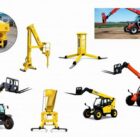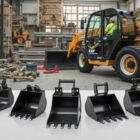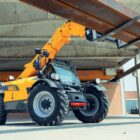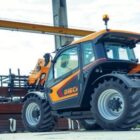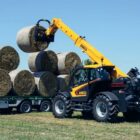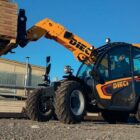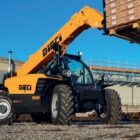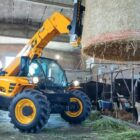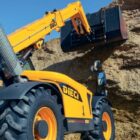


A winch for telescopic loader is an advanced device that enables efficient lifting and transportation of various loads on construction sites and in other industrial sectors. Below we present the key functions and mechanisms that distinguish the winch for telescopic loader on the market:
- Hydraulic system – utilizing precise fluid pressure, which allows for lifting heavier loads with greater accuracy and stability, which is essential in demanding working conditions.
- Electric or mechanical drive – flexibility in choosing the drive system, enabling adaptation of the winch for telescopic loader to specific operational needs and terrain conditions.
Advanced technologies used in telescopic winches significantly optimize construction processes while raising the level of work safety, which is indispensable in a dynamic construction environment.
Contribution of Winches to Construction Work Efficiency
On construction sites, telescopic winches play an irreplaceable role in carrying out many key operations, which translates into increased efficiency and reduced accident risk:
- Assembly of steel structures – precise positioning of heavy structural elements.
- Lifting heavy construction materials – quick and safe movement of materials such as beams or sheets.
- Transport of elements in hard-to-reach places – enabling work in limited spaces where traditional transport methods are insufficient.
The benefits of using winches for telescopic loaders are multidimensional, including both increased work efficiency, which leads to time savings, and significant safety improvement by reducing manual carrying of heavy loads, minimizing the risk of operator injuries.
For example, during the construction of tall buildings, winches for telescopic loaders are invaluable in inter-floor concrete transport, which significantly streamlines and accelerates the implementation of structural work.
Diversity of Winches for Telescopic Loaders: Types and Applications
The market offers a wide range of winches for telescopic loaders that differ in functionality and purpose, allowing for precise selection of equipment for specific operational needs:
Hydraulic Winches: Power and Versatility
Hydraulic winches are characterized by impressive lifting power, making them an ideal tool for various construction and industrial tasks:
- Construction work – effective lifting of heavy prefabricated elements such as concrete or steel slabs
- Load transport in industry – their reliability and efficiency are highly valued in warehouses and production facilities where quick and safe material movement is required.
These winches for telescopic loaders not only offer significant power but also versatility of applications, allowing their use in a wide spectrum of industrial operations.
Mechanical Winches: Simple Construction, Maximum Reliability
Mechanical winches are distinguished by simple construction and ease of operation, which are their main advantages in daily use:
- Easy operation – intuitive lifting process means that even less experienced operators can effectively use the device.
- High reliability – limited number of mechanical elements translates into lower risk of failure, which increases the durability and reliability of the winch for telescopic loader.
Although their maximum load is lower than hydraulic winches, their simplicity and reliability make them an extremely valuable tool in many applications.
Electric Winches: Innovation and Automation
Electric winches introduce modern technologies that significantly increase automation and precision of lifting processes:
- Digital control – enables precise management of the winch for telescopic loader, which increases operational efficiency and minimizes operator errors.
- Automatic shutdown – safety systems that automatically stop the winch for telescopic loader when irregularities are detected, thereby raising the level of safety during use.
Key Technical Parameters of Winches
Accurate understanding of the technical parameters of a winch for telescopic loader is essential for ensuring efficiency and safety during use. Below we present the most important indicators:
- Maximum load – determines the highest weight that the winch for telescopic loader can lift, which is crucial when planning machine lifting operations.
- Dimensions – affect the mobility of the winch for telescopic loader and its ability to work in limited space, which is particularly important on tight construction sites.
Proper selection of these parameters is fundamental for optimal performance and work safety, which translates into the efficiency of the entire construction process.
Maximum Load: Key Aspects to Consider
The maximum load of a winch for telescopic loader is one of the most important factors when choosing the appropriate model. Its value is influenced by a number of factors, such as:
- Type of load – different materials require different lifting parameters, which affects the choice of appropriate winch for telescopic loader.
- Working conditions – steep or uneven terrain requires equipment with greater stability and lifting power.
For example, some hydraulic winches for telescopic loaders can withstand loads reaching up to 6000 kg, making them an ideal choice for the most demanding construction work.
Equipment Dimensions and Weight: Impact on Mobility and Efficiency
Parameters such as dimensions and weight of a winch for telescopic loader have a direct impact on its mobility and operational efficiency at the workplace:
- Equipment weight – lighter models of winches for telescopic loaders are easier to transport, which is important with frequent workplace changes.
- Operational dimensions – compact dimensions allow maneuvering in tight spaces, increasing the versatility of the device.
Choosing the appropriate model of winch for telescopic loader, adapted in terms of weight and dimensions, can bring significant savings in both costs and working time, while ensuring optimal operational efficiency.
Safety and Quality Standards: Adherence to DIN EN 1808
The DIN EN 1808 standard forms the basis of safety regulations for winches for telescopic loaders, defining standards that must be met:
- Dynamic and static loads – winches for telescopic loaders must operate within specified values, which prevents overloading and failures.
- Certification requirements – each winch for telescopic loader must undergo rigorous testing conducted by accredited institutions, which guarantees its safety and reliability.
Compliance with these standards is crucial for ensuring operator safety and operational efficiency, which has a direct impact on the quality of construction projects carried out.
Versatile Application of Winches in Various Industries
A winch for telescopic loader finds wide application in many industrial sectors, demonstrating its versatility and efficiency:
Practical Applications in Construction
On construction sites, winches for telescopic loaders are an invaluable tool during:
- Assembly of structural elements – precise positioning of steel beams or concrete prefabricated elements.
- Lifting construction materials – quick and safe movement of heavy elements such as bricks or poles.
- Transport of loads in difficult conditions – effective operation in limited spaces and on uneven terrain.
Thanks to the use of winches for telescopic loaders, it is possible to efficiently and effectively perform construction tasks while maintaining the highest safety standards.
Flexibility and Versatility in Industry
Winches for telescopic loaders play a key role in various industrial sectors, increasing operational flexibility and efficiency of operations:
- Logistics – enable quick transport of products in warehouses and on production lines.
- Manufacturing – lifting heavy elements during production processes, which speeds up and streamlines production.
The versatility of applications makes winches for telescopic loaders an essential tool in virtually every field of industry, from production, through logistics, to construction.
Legal Regulations: Key Requirements for Winch Operators
Using winches for telescopic loaders involves compliance with strictly defined legal regulations aimed at ensuring safety and operational efficiency:
UDT Regulations: Operator Safety First
The Technical Supervision Authority (UDT) plays a key role in regulating the safety of using winches for telescopic loaders. Requirements directed at operators include:
- Obligation to obtain a certificate – operators must have appropriate qualifications and certificates confirming their skills.
- Regular training and inspections – ensure continuous improvement of operator qualifications and monitoring of the technical condition of winches for telescopic loaders