
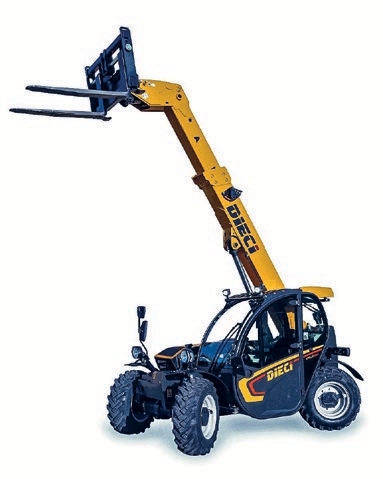
Introduction to Telehandler Forks
In rapidly developing fields such as construction and agriculture, telehandler forks are becoming an indispensable piece of equipment, enabling efficient management of transport and manipulation of heavy loads. Let’s imagine a scenario on a construction site where quick and safe movement of concrete blocks is required – this is when forks demonstrate their value, ensuring smooth workflow and minimizing the time needed to complete tasks. Thanks to these advanced tools, work not only speeds up but also becomes safer, which is invaluable in demanding working conditions.
- Versatility of use: Based on the diversity of materials, forks work excellently in many applications, from transporting bricks on construction sites to moving hay on farms.
- Increased work efficiency: Thanks to the ability to lift and transport heavy loads faster and safer, operators can significantly improve work pace, which translates to greater productivity of the entire team.
- Customization capability: The variety of available sizes and types of forks allows for precise adaptation of the tool to the specific needs of each project, ensuring flexibility and optimization of work processes.
What are telehandler forks?
Telehandler forks constitute a key tool, enabling precise and efficient lifting and transport of heavy materials both on construction sites and in extensive warehouses. Let’s imagine a construction project where it’s necessary to move bricks or concrete blocks to significant heights – it’s precisely in such situations that forks prove irreplaceable. Their solid construction, made from S235 steel, guarantees not only impressive durability but also long-term operation, making them a profitable long-term investment. The table below presents various types of forks currently available on the market, illustrating the broad spectrum of possibilities for adaptation to specific needs:
| Fork Type | Material | Purpose |
|---|---|---|
| Standard | S235 Steel | Construction, material transport |
| Reinforced | Hardox | Intensive use in warehouses |
The importance of forks in working with telehandlers
Using forks in telescopic equipment significantly increases operational efficiency, enabling operators to perform tasks related to moving heavy loads in a faster and more precise manner. The thoughtful construction of forks allows for intuitive maneuvering and efficient transport management of materials. Let’s look at several key areas where forks become an indispensable element of work:
- Lifting and transporting construction materials: Forks enable efficient movement of concrete blocks, bricks, or other heavy construction elements, which is fundamental to an efficient construction process.
- Moving goods in warehouses: In warehouse spaces, forks allow for quick and safe movement of various products, optimizing logistics and increasing warehouse throughput.
- Transporting agricultural products on farms: In agriculture, forks are used for efficient transport of hay, manure, or other materials, contributing to the improvement of agricultural operations.
The benefits of using forks are multidimensional, encompassing both safety of transporting heavy loads and increased work efficiency. For example, statistics show that companies using forks report up to 20% reduction in operational time, which translates to significant savings and better work organization.
Types of Telehandler Forks
The necessity of choosing appropriate forks for telehandlers is fundamental for optimizing work efficiency in various sectors. The diversity of available fork types allows for precise adaptation of the tool to the specific requirements of each project. Below are the key categories of forks that can significantly impact the efficiency and safety of operations:
Standard forks and their application
Standard forks represent the most common solution chosen in both construction and warehouse industries, thanks to their universality and ability to transport diverse loads. Their construction, usually equipped with solid metal arms, guarantees impressive durability and reliability even in the most demanding working conditions.
- Steel arms – providing excellent durability, which is essential when moving heavy materials.
- High efficiency – they enable quick and effective lifting and transport of construction materials, which translates to increased team productivity.
- Universal application – the wide range of adaptation possibilities to various working conditions makes standard forks irreplaceable on construction sites, in warehouses, or during transport work.
The effectiveness of standard forks has been repeatedly confirmed in numerous case studies, where their application contributed to significant increases in productivity. For example, construction projects equipped with standard forks recorded significant savings in both time and material resources, proving their irreplaceable role in the construction sector.
Forks adapted to specialized tasks
Performing specific tasks in various sectors, such as agriculture or warehousing, requires the use of forks designed with specific needs in mind. Equipping a telehandler with appropriate forks can significantly facilitate and improve operational processes. Here are several examples of specialized forks that are adapted to unique requirements:
- Forks for hay transport – characterized by larger openings, which significantly facilitates gripping and moving hay and other loose agricultural materials.
- Forks adapted for intensive warehouse work – made from Hardox steel, which provides exceptional wear resistance, ideal for frequent and long-term use in warehouse conditions.
Fork construction material: S235 vs Hardox
When professionals face the decision of choosing forks for telehandlers, the materials used in their production play a crucial role in determining their efficiency and durability. The standard choice is S235 steel, valued for its mechanical properties and availability, however an alternative that offers significantly higher wear resistance is Hardox steel. The table below illustrates a comparison of these two materials, showing their main differences:
| Material | Strength | Wear Resistance |
|---|---|---|
| S235 | Medium | Low |
| Hardox | High | Very High |
When choosing between S235 steel and Hardox, it’s worth considering the specifics of fork applications and expected working conditions. S235 steel, with its medium strength parameters, works well in less demanding applications, while Hardox, thanks to its exceptional hardness and high wear resistance, is an ideal choice for forks used in intensive and demanding work environments. Investment in forks made from Hardox translates to longer tool life and lower maintenance costs in the long term.
Application of Forks in Various Industries
The versatility of telehandler forks makes them an indispensable tool in many sectors of the economy, bringing numerous operational benefits and increasing work efficiency. Below are the most important industries where forks play a key role:
- Agriculture – they enable efficient transport of various agricultural materials and products, facilitating daily operations on farms and in agricultural enterprises.
- Construction – they optimize handling of heavy loads, such as construction materials, contributing to increased productivity on construction sites.
- Municipal services – they support the activities of emergency services, including fire departments, by enabling quick transport of equipment and materials during rescue operations.
Agriculture: transport of materials and agricultural products
In the agricultural sector, telehandler forks become an irreplaceable tool that significantly increases the efficiency of transporting various materials and agricultural products. Let’s imagine a season when quick transport of hay to fields or moving manure to storage facilities is necessary – it’s precisely then that forks enable efficient and safe execution of these tasks. Here’s how forks contribute to improving work in agriculture:
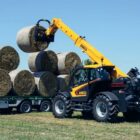
- Efficient hay transport – thanks to the appropriate construction of forks, operators can easily and quickly move hay bales, which is crucial during harvest season.
- Safety of transport operations – solid grips and fork stability minimize the risk of accidents during transport of heavy loads, which translates to safer working conditions on the farm.
Construction: efficiency in working with heavy loads
In the construction industry, where hundreds of heavy materials are handled daily, telehandler forks play a key role in improving logistics processes. Let’s imagine a construction site where concrete blocks and bricks must be moved from one place to another – forks enable quick and precise lifting and transport of these heavy loads, which not only speeds up the pace of work but also reduces physical strain on operators. As a result, using forks translates to more efficient work organization and shortened time needed for project completion.
Municipal services: telehandlers in fire departments
In the context of municipal services, particularly fire department operations, telehandler forks demonstrate their versatility and reliability. Equipped with appropriate forks, firefighters can efficiently transport rescue equipment, tools, or even damaged building elements during firefighting and rescue operations. Thanks to this, forks constitute not only logistical support but also a tool that improves intervention activities in crisis situations, where time and precision are crucial for the success of rescue operations.
Safety and Regulations Regarding Usage
Safety is the foundation of every operational process using telehandler forks. Following appropriate rules and regulations is essential to minimize accident risk and ensure a safe working environment. Here are several key rules that should always be followed:
- Regular inspection of fork condition before starting work – daily fork inspection allows for early detection of potential damage or wear, preventing failures and hazards during operation.
- Using appropriate protective equipment – operators should always wear necessary protective equipment, such as helmets, reflective vests, or safety boots, to protect themselves from potential injuries.
- Following legal regulations regarding fork usage – knowledge and adherence to applicable norms and legal regulations is crucial for legal and safe use of forks in various work sectors.
Basic safety rules for fork operation
To ensure safe and efficient use of forks, operators should always follow basic safety rules:
- Technical condition control – before starting any operation, it’s essential to thoroughly check the condition of forks, including assessment of potential cracks, deformations, or other damage that may affect their functionality and safety.
- Appropriate protective equipment – adhering to occupational health and safety standards by wearing protective helmets, reflective vests, and other necessary protective equipment prevents injuries and minimizes accident risk at the workplace.
Required certificates and operator training
To guarantee safe and efficient use of telehandler forks, operators must possess appropriate qualifications and certificates confirming their skills. Operator training includes both theoretical and practical aspects of fork operation, including:
- Knowledge of occupational health and safety rules – operators must be aware of safe fork usage rules and potential hazards associated with working at height.
- Practical equipment operation skills – training includes learning efficient telehandler maneuvering, load lifting and transport techniques, and responding to emergency situations.
- Certification – possessing official certificates confirming operator competencies is required in many work sectors, ensuring risk minimization and compliance with legal regulations.
Modern Technologies in Fork Production
Thanks to continuously advancing technologies, the production of telehandler forks is evolving, introducing innovative solutions that significantly increase their efficiency and durability. Advanced technologies, such as protective coatings, play a key role in increasing wear resistance and extending tool life. Here are several examples of modern innovations applied in fork production:
- Automation of production processes – implementation of advanced automation systems allows for precise and efficient fork manufacturing, which translates to better quality and uniformity of final products.
- Use of modern wear-resistant materials – application of materials such as Hardox steel or specialized protective coatings ensures greater resistance to abrasion, corrosion, and other factors affecting fork durability, allowing for longer operation without the need for frequent repairs or replacement.
Purchase and Rental of Telehandler Forks
The choice between purchasing and renting telehandler forks is a decision that should be made based on analysis of individual needs and project characteristics. Each of these options has its unique advantages that can impact the company’s cost-effectiveness and operational efficiency. Let’s take a closer look at the benefits of both solutions:
- Purchase – represents a long-term investment in equipment, enabling full control over resources and fork availability at any time, which is particularly beneficial for companies with continuous demand for this type of equipment.
- Rental – offers a cost-effective solution, especially for short-term projects or seasonal demand, allowing companies to use high-quality equipment without the need to make large one-time investments.
Where to buy: overview of sales options
To acquire high-quality telehandler forks, professionals have a wide range of sales options to choose from. From local distributors who offer direct contact and consultation possibilities, to online stores that provide shopping convenience and access to a wide range of products. It’s also worth familiarizing yourself with offers from manufacturers such as Dieci srl or Lavorwash S.p.A., who specialize in providing modern and reliable solutions in the market.
Fork rental as an alternative to purchase
In situations where demand for telehandler forks is temporary or the project nature of work doesn’t justify long-term investment, rental becomes an ideal solution. Fork rental allows companies to use the latest models without the need to incur high purchase costs. Additionally, rental services often include equipment service and maintenance, eliminating the need for additional expenses related to keeping machines in good technical condition.
Summary and Call to Action
Investment in high-quality telehandler forks is a step that brings multidimensional benefits, such as increased tool durability and significant improvement in work efficiency at various operational positions. Below are key reasons why this investment is worth considering:
- High durability – solid fork construction ensures long-term operation even in the most demanding working conditions.
- Operation safety – properly designed forks minimize accident risk, allowing operators to work in a safer environment.
- Ability to adapt to various applications – the wide range of available models and fork configurations allows for precise adaptation of the tool to the specific needs of each project.
Don’t delay! Invest in appropriate tools to increase your work efficiency and ensure peace of mind for yourself and your team by using the most modern and safest solutions on the market.
Most important information in the article:
- Telehandler forks: Key tool in construction and agriculture, enabling efficient management of transport and manipulation of heavy loads.
- Increased work efficiency: Faster and safer lifting and transport of heavy loads translates to greater team productivity.
- Versatility of use: Excellent for various applications, from transporting bricks on construction sites to moving hay on farms.
- Customization capability: Variety of sizes and types of forks allows for precise adaptation to specific needs of each project.
- Construction materials: Forks made from S235 steel are standard, while those made from Hardox offer higher strength and wear resistance.
- Types of forks: Standard and reinforced, using different materials suitable for construction and intensive warehouse use.
- Application in various industries: Agriculture, construction, warehouses, and municipal services, including fire departments.
- Usage safety: Regular inspections, use of protective equipment, and following legal regulations minimize accident risk.
- Operator certification: Required training and certificates ensure safe and efficient fork operation.
- Modern technologies: Automation of production processes and use of wear-resistant materials increase fork durability and efficiency.
- Purchase and rental options: Fork purchase is a long-term investment, while rental is beneficial for short-term projects.
- Fork manufacturers: Companies such as Dieci srl and Lavorwash S.p.A. offer modern and reliable market solutions.
- Summary: Investment in high-quality telehandler forks increases tool durability, improves work efficiency, and ensures safe working conditions.