
Functions and Significance of Controls in Telehandlers
Controls in telehandlers play an extremely important role as diagnostic tools. They enable operators to quickly identify technical problems and monitor the condition of key machine systems, including hydraulics, electrical, and mechanical components. Regular checking of these indicators allows for early detection of faults, which in turn minimizes downtime and repair costs.
Through controls, operators receive information about the need to perform routine inspections and component replacements. Modern models are equipped with advanced monitoring systems that inform about hydraulic oil levels and battery condition. These types of functions comply with regulations that emphasize the importance of safety controls in the workplace.
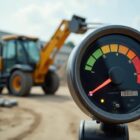
Operator safety is closely related to the proper functioning of controls. Warnings about engine overheating, overloading, or improper operation of stabilization systems enable quick response, preventing potential accidents. The control indicating maximum lifting capacity has been exceeded allows the operator to take appropriate action.
Telehandler operators use advanced diagnostic systems, which significantly facilitates their work. Regular training on control interpretation and using technical documentation increases operator awareness and contributes to safer and more efficient task execution on construction sites or farms.
Systematic monitoring of controls not only extends the life of the telehandler, but also ensures compliance with safety standards, which is crucial for protecting operator health.
- Hydraulic oil control: Informs about oil level and pressure, preventing damage to the hydraulic system.
- Engine overheating control: Warns against excessive engine heating, which could lead to failure.
- Load control: Monitors current machine load, helping to avoid exceeding maximum values.
- Stabilization control: Checks proper operation of stabilization systems, increasing safety during work.
Integration of modern technologies and compliance with international standards make controls in telehandlers indispensable support for operators in their daily duties. They help ensure a high level of safety and reliability, which is crucial in every industry.
Overview of Control Indicators in Telehandlers
| Control | Function | Safety Significance |
|---|---|---|
| Hydraulic oil control | Informs about hydraulic oil level and pressure | Prevents hydraulic system damage |
| Engine overheating control | Warns against excessive engine heating | Prevents engine failures |
| Load control | Monitors current machine load | Avoids exceeding maximum load values |
| Stabilization control | Checks proper operation of stabilization systems | Increases safety during work |
Impact of Controls on Work Efficiency and Safety
Controls in telehandlers play a key role in increasing work efficiency, enabling operators to continuously monitor machine condition. Quick detection of technical problems allows for immediate response, minimizing downtime and significantly increasing productivity on construction sites.
Indicators regarding load and engine temperature are directly related to operational safety. The load control helps prevent exceeding maximum lifting values, effectively reducing the risk of equipment tipping. Meanwhile, the control indicating engine overheating is crucial in preventing failures and complies with applicable safety regulations.
“Compliance with safety standards is the foundation of operator protection. Controls in telehandlers guarantee adherence to these regulations.”
Modern monitoring systems combine control functions with advanced technology, allowing for more precise machine work management. Operators using such solutions gain greater control, promoting efficient resource utilization and optimization of operational processes.
- Automatic alerts: In today’s telehandlers, integrated notifications inform about maintenance needs, facilitating service work planning.
- Integration with safety systems: Controls are adapted to international safety standards, significantly reducing accident risk.
- Operator training: Regular courses on control signal interpretation raise operator qualifications and contribute to increased work safety.
Using data from controls enables more informed operational decision-making. Operators can rely on local service providers to ensure all indicators function properly, which is crucial for maintaining work continuity and ensuring safety.
“Effective use of controls not only improves work efficiency but also significantly raises safety levels in dynamic work conditions.”
Controls in telehandlers constitute important diagnostic tools, having significant impact on operational efficiency and workplace safety. Their proper use, combined with cyclical servicing and appropriate operator training, ensures optimal machine functioning and protection of worker health and life.
Basic Information About Loader Control System Construction
Control systems in telehandlers are designed to ensure precise steering and integration with other machine mechanisms. Typical solutions include control panels with joysticks, switches, and digital displays that enable operators to intuitively manage machine functions.
Differences in control systems among various manufacturers result from used technologies and product specifications. An authorized brand dealer can provide models with unique control layouts adapted to specific agricultural needs. These systems integrate load monitoring and lifting height functions, which are crucial for operations in demanding ground conditions.
Integration of controls with other mechanisms in telehandlers significantly increases operational efficiency and work safety. Some models employ wide stabilizing legs that work with the control system, automatically adjusting stabilization to current operational conditions. This allows operators to focus on precise task execution, confident that the machine operates optimally.
Control systems comply with applicable regulations, guaranteeing compliance with the highest safety standards. Integration of modern technologies, such as automatic maintenance alerts, enables proactive machine management. This minimizes failure risk and extends equipment life.
An excellent example of effective control system integration is a model that combines telescopic boom control with monitoring of hydraulic and electrical parameters. This allows operators to continuously respond to any irregularities, which is invaluable in dynamic work environments such as construction sites and farms.
- Multifunctional joysticks: Provide precise control of boom and work platform movements.
- Digital displays: Offer key information about machine condition and ongoing operations.
- Stabilization systems: Automatically adjust machine settings, ensuring balance and safety during work.
Integration of these elements allows for efficient resource utilization and optimization of operational processes. Operators properly trained in operating modern control systems achieve greater machine control, translating to higher productivity and workplace safety.
“Modern control systems in telehandlers are the key to efficient and safe work, combining advanced technology with intuitive control.”
Thanks to modern control system construction, telehandlers can be adapted to specific requirements of various industries, such as construction, agriculture, or logistics. Offered maintenance and repair services guarantee that control systems operate flawlessly, which is crucial for maintaining work continuity and operator safety.
Types of Controls and Their Interpretation in Telehandlers
Types of controls in telehandlers can be classified into several main categories that reflect key aspects of these machines’ functioning. Understanding these categories and the ability to interpret their signals is essential for safe and efficient work.
- Diagnostic controls: Inform about machine technical condition, including parameters such as hydraulic oil level, engine temperature, or system pressure.
- Safety controls: Warn about situations that may threaten the operator or environment, such as overloading, tilting, or stabilization system failures.
- Operational controls: Serve to monitor key machine work parameters, for example engine speed, lifting height, and boom movement range.
- Maintenance controls: Inform about the need to perform routine inspections, filter changes, or other service activities.
Telehandler operators should regularly observe these controls to quickly respond to any irregularities. For example, an engine overheating control may indicate the need for cooling system inspection or reducing machine load. Meanwhile, the load control alerts before exceeding maximum permissible lifted load weight, which is crucial for preventing tipping and other accidents.
Examples of errors signaled by controls include:
- Hydraulic leaks: The hydraulic oil control informs about pressure drop or low oil level, requiring immediate intervention to avoid hydraulic system damage.
- Stabilization system failures: When the stabilization control is active, it may suggest a problem with the stabilizing mechanism, increasing machine tipping risk during work.
- Electrical problems: Controls related to the electrical system may indicate failures such as overvoltages or short circuits that affect loader performance.
The importance of adequate control interpretation is emphasized by regulations requiring all workplace equipment to meet specific safety standards. Contemporary manufacturers offer advanced monitoring systems that integrate various controls, providing operators with comprehensive machine condition information.
An example of an innovative telehandler is a model equipped with numerous diagnostic and safety controls. Operators of such equipment have access to an intuitive control panel that displays important operational data and warnings about potential failures or maintenance needs. Such functionality enables quick decision-making, minimizing downtime risk and ensuring work continuity.
“Effective management of control indicators is the foundation of safe and efficient telehandler operation.”
Regular training for operators, offered by authorized dealers, is crucial for proper interpretation and response to control signals. Through this training, operators are better prepared to identify potential problems and perform necessary service activities, which increases machine life and minimizes repair costs.
In the agricultural context, where telehandlers often work in difficult terrain conditions, stabilization controls and those monitoring hydraulic pressure are particularly important. They enable operators to precisely control machine operation even on uneven ground, which is crucial for safety and work efficiency.
In summary, the diversity of controls in telehandlers and their proper interpretation form the basis of effective and safe use of these machines. Integration of modern monitoring systems, compliance with safety standards, and continuous operator training are indispensable elements supporting optimal telehandler operation in various industries.
Classification of Controls by Function and Significance
- Warning controls: Inform the operator about threats and irregularities in machine operation. Applied colors such as red and yellow effectively attract attention. Red controls signal serious situations such as engine overheating or exceeding maximum lifting capacity, protecting against failures and accidents. Compliance with regulations ensures that signaling will always be clear and well visible, significantly increasing work safety.
- Operational controls: Monitor important telehandler work parameters such as engine speed, lifting height, and boom range. They usually use green color, indicating proper system functioning. In modern configurations, controls are integrated with multifunctional joysticks, allowing precise machine control.
- Diagnostic controls: Provide valuable information about machine technical condition, significantly facilitating the maintenance needs identification process. Often marked with blue or white color, they may inform about hydraulic oil level or battery condition. Thanks to this information, operators can perform regular inspections, extending equipment life.
“Classification of controls by function enables operators to quickly and effectively respond to changing work conditions, significantly affecting safety and operational efficiency.”
Modern telehandlers are equipped with ergonomically designed controls, maximizing user comfort and allowing easy information reading during construction site work. Integration with monitoring systems provides automatic maintenance notifications, crucial for maintaining operational smoothness and minimizing repair costs.
Signaling color scheme has crucial importance in control interpretation. Red controls indicate critical situations requiring immediate intervention, such as engine overheating or hydraulic failures. Yellow controls inform about problems that should be addressed in the near future, for example low oil pressure. Green controls confirm proper system functioning, while blue indicates diagnostic or informational statuses.
Special controls in different loader models are designed with specific industry needs in mind where these machines are used. In the agricultural sector, stabilization controls and hydraulic pressure controls have particular significance because attachments work on uneven terrain. Thanks to stabilization systems, operators can be sure the machine maintains balance even at maximum lifting capacity.
Integration of control systems with other telehandler mechanisms provides an additional safety level. Automatic adjustment of stabilization settings to current operational conditions allows operators to focus on precise task execution without concerns about machine stability.
“Understanding control classification by function and significance is fundamental to safe and efficient telehandler use.”
Proper operator training, focusing on control signal interpretation, contributes to increased work safety and operational efficiency optimization. Authorized dealers offer training programs and technical documentation supporting operators in fully utilizing control system capabilities available in modern telehandlers.
Practical Tips for Reading and Understanding Controls
Practical guidelines for reading and interpreting controls are essential for ensuring efficient work with telehandlers. In difficult terrain conditions, the ability to properly understand control signals can prevent failures and accidents. Operators should be aware of their machine model specifics, as control markings may differ depending on the manufacturer.
- Learning the operating manual: The telehandler comes with a manual that describes control functions in detail. Regular manual review increases understanding of specific markings and allows quick response to alarm signals.
- Training from authorized dealers: Dealers offer courses that teach operators to read and interpret control signals. This enables operators to better respond to emerging technical problems.
- Knowledge of manufacturer differences: Controls may have various symbols and colors depending on the brand. Differences in individual control placement on the control panel require adaptation to specific layouts.
- Regular technical inspections: Systematic checking of machine technical condition, according to manufacturer guidelines, is crucial for maintaining efficiency and work safety.
Understanding control significance in various operational situations is extremely important. For example, rising engine temperature means immediate work stoppage and cooling system inspection are necessary. The load control informs about exceeding permissible lifting capacity, protecting against machine tipping on unstable terrain.
“Quick and accurate response to control signals is key to limiting downtime and ensuring stable telehandler operation.”
Integration of controls with monitoring and diagnostic systems is crucial. Modern loaders are equipped with advanced systems that provide operators with important machine condition information. Thanks to them, operators can make informed decisions about maintenance and repairs.
Compliance with safety regulations, such as OSHA standards, requires controls to be clearly visible and easy to understand. Operators should regularly update their knowledge of these standards to ensure operational compliance, thereby protecting themselves and other workers.
“Operating manuals and regular training are indispensable elements enabling operators to fully utilize control system capabilities, translating to the highest safety level.”
Operators can use local service providers to ensure controls function properly. Systematic maintenance and repairs increase machine reliability and extend their life, which is beneficial from both economic and operational perspectives.
In summary, effective reading and understanding of telehandler controls requires knowledge of technical specifications, regular training, and awareness of manufacturer differences. Thanks to these guidelines, operators can significantly raise their work safety and efficiency levels, minimizing costs associated with failures and downtime.
Common Controls and Their Messages
- Low fuel level control: Informs the operator about the need to refuel, allowing avoidance of unwanted machine work interruptions.
- Diagnostic system control: Signals errors in equipment systems, such as problems with electronics or mechanical components.
- Oil temperature control: Warns against exceeding optimal oil temperature range, which may lead to hydraulic component damage.
- Direction signaling control: Informs about hydraulic settings and boom positions, supporting precise equipment control.
- GPS system control: Enables real-time telehandler location monitoring, particularly helpful on extensive construction sites.
Warnings displayed on the dashboard include signals about low operating fluid levels, engine overheating risk, and detection of stabilization system faults. When the low fuel level control activates, the operator should immediately refuel to minimize possible downtime. When the diagnostic control lights up, thorough diagnostics according to the operating manual and contacting authorized service are necessary.
“Quick and accurate response to control signals is key to limiting downtime and ensuring stable telehandler operation.”
In case of failure, operators should follow these steps:
- Machine shutdown: Immediate telehandler shutdown to avoid further damage.
- Manual check: Reviewing the handbook to understand control activation causes and plan further repair actions.
- Service contact: Using authorized dealer services to perform necessary repairs or maintenance.
- Event documentation: Creating a failure report that will help analyze causes and prevent recurring problems.
Following these steps not only speeds up restoring full machine functionality but also contributes to extending its life and increasing work safety, in accordance with applicable regulations.
“Regular training and knowledge of procedures significantly increase operator safety and operational efficiency.”
Additionally, using local service providers guarantees access to specialist knowledge and quick response to technical problems. This reduces the risk of long-term downtime and supports operational continuity both on construction sites and farms.
Identifying Problem Causes Based on Controls
Identifying problem causes based on controls is an important element of effective telehandler operation. The ability to recognize signals from these controls allows for quick problem detection and resolution, minimizing downtime risk and increasing work safety.
- Diagnosing problems based on codes: Contemporary telehandlers are equipped with advanced diagnostic systems that generate error codes in case of any irregularities. Operators can use these codes to quickly identify problems. For example, an error code related to low hydraulic oil pressure signals the need to check oil level and possible system leaks.
- Need for maintenance or repair: Controls such as engine overheating indicator and load control inform about the need for maintenance or repair. Engine overheating suggests cooling system problems requiring immediate intervention to avoid more serious damage. Load control activation indicates the machine is working beyond its capabilities, which may lead to mechanical damage.
- Importance of operator training: Regular training is crucial for operators to properly interpret control signals and respond appropriately. Training programs conducted by dealers include learning error code reading, diagnostic procedures, and basic service activities. Thanks to these skills, operators can quickly identify threats and take necessary repair actions, significantly raising work safety.
“Conscious use of controls to identify technical problems is fundamental to safe and efficient telehandler operation.”
When the diagnostic system control activates, the operator should first stop the machine and familiarize themselves with the operating manual to understand the error type. Then, depending on the problem nature, they can contact service offering specialized telehandler repair and maintenance services.
Regular technical inspections, compliant with manufacturer recommendations and performed by local dealers, allow for early detection and fault elimination. Such an approach not only extends machine life but also ensures compliance with safety regulations that define occupational health and safety standards.
“Investing in operator training and regular maintenance guarantees minimizing failures and maximizing work safety.”
In various industries such as construction or agriculture, specific controls may indicate problems typical for given work environments. In agriculture, where telehandlers often operate on uneven terrain, stabilization controls play a special role. If such a control activates, it may mean checking the stabilization system is necessary to ensure machine balance during work on difficult ground.
Effective problem cause identification based on controls requires not only advanced diagnostic systems but also appropriate operator training and regular machine maintenance. This maintains high efficiency and work safety levels, crucial for success in any industry using telehandlers.