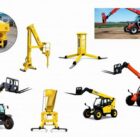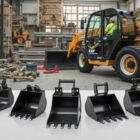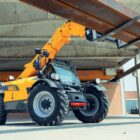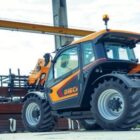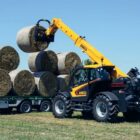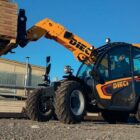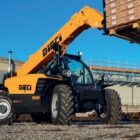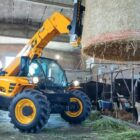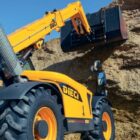

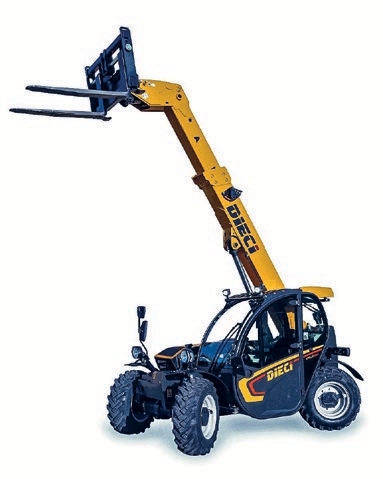
Extensions for telescopic loaders, being an essential equipment element in the agricultural and construction sectors, offer new possibilities for increasing the operational range of these machines, enabling the execution of complex tasks in the most demanding conditions. Thanks to them, it is possible not only to increase work efficiency, but also significant process optimization, which translates into higher productivity and operational safety. In this article, we will thoroughly analyze how these innovative accessories function in practice, present their technical specifications, and showcase best practices related to their use, responding to the needs of both professionals associated with the agricultural industry, construction machine operators, and customers interested in purchasing accessories for telescopic loaders.
What are telescopic loader extensions?
Telescopic loader extensions are specialized accessories that integrate with loader forks, significantly increasing their length and working range. Made from high-quality steel, such as S235 or S355, they guarantee not only impressive durability but also exceptional strength, which is crucial in intensive use conditions. Standard forks typically have a length of about 120 cm, however, thanks to the use of extensions, it is possible to achieve lengths reaching even 200 cm or more, which significantly increases their functionality and usefulness in various work scenarios.
- Standard extensions: reach lengths up to 200 cm, which is an optimal solution for many applications.
- Longer extensions: can reach up to 220 cm, offering additional range in the most demanding conditions.
- Materials: made from durable S235 or S355 steel, ensuring longevity and resistance to heavy loads.
Why is it worth using extensions in work?
Using extensions for telescopic loaders brings numerous benefits that directly affect the efficiency and safety of operations. They allow for safe maneuvering in difficult conditions where standard forks may not be sufficient, and also significantly increase operational efficiency, enabling the execution of more complex tasks in shorter time. Thanks to this, extensions become an indispensable tool, especially in situations where traditional solutions fail and greater precision and range of operation are required.
- Increasing operational efficiency by enabling the execution of more complex tasks.
- Safer manipulation of heavy loads from greater distances, which minimizes accident risk.
- Reduction of working time thanks to increased operational range, which translates into faster project completion.
Telescopic loader extension specifications
Telescopic loader extensions are distinguished by various technical parameters that play a crucial role when choosing the appropriate model. The most important of these parameters are length, construction material, and maximum lifting capacity, which together determine the functionality and durability of extensions in different applications.
| Parameter | Value |
|---|---|
| Standard lengths | 200 cm – 220 cm |
| Material | S235 steel, S355 steel |
| Lifting capacity | up to 3000 kg |
Overview of telescopic loader extension specifications and prices
The table presents a detailed overview of technical and pricing specifications available on the market for extensions, which facilitates comparison of different models and selection of optimal solutions according to individual user needs.
| Extension type | Length | Material | Price |
|---|---|---|---|
| Standard | 200 cm | S235 steel | 676 PLN |
| Longer | 220 cm | S235 steel | 800 PLN |
| Standard | 200 cm | S355 steel | 676 PLN |
| Longer | 220 cm | S355 steel | 800 PLN |
Available extension lengths
The market offers extensions of various lengths, which allows for flexible adaptation to specific requirements and working conditions of users. Manufacturers recommend choosing extensions with a minimum length of 200 cm to ensure optimal work efficiency and maximize operational range.
- 200 cm length: recommended for standard applications where basic performance and range are required.
- 220 cm length: ideal in situations where access to hard-to-reach places is limited and increased operational range is crucial.
Materials used for extension production
The choice of material from which extensions are made has a direct impact on their durability and strength under intensive operation conditions. S235 steel represents a more economical option, offering an appropriate balance between price and strength, while S355 steel ensures higher durability and greater resistance to loads, which is particularly important in demanding applications.
- S235 Steel: characterized by good balance between price and strength, making it an economical choice for most standard applications.
- S355 Steel: offers increased durability and better resistance to high loads, which is essential in more demanding work environments.
Telescopic loader extension prices: what affects the cost?
The cost of extensions is determined primarily by their length and the material from which they are made. For example, a standard 200 cm extension costs about 676 PLN, while a 220 cm extension is priced at about 800 PLN. Investment in higher quality extensions translates into longer equipment life and better work performance, which in the long term pays off through lower maintenance and replacement costs.
| Length | Price |
|---|---|
| 200 cm | 676 PLN |
| 220 cm | 800 PLN |
Practical application of extensions
Telescopic loader extensions find wide application in both agricultural and construction sectors, enabling efficient execution of tasks that under other conditions could be extremely difficult or time-consuming. Their versatility makes them an indispensable equipment element, especially in situations requiring precise and safe material handling.
- Support in field work, such as crop harvesting, where access to hard-to-reach places is crucial.
- Facilitating transport of construction materials in areas with limited space, which increases construction work efficiency.
- Assistance in assembly and disassembly of structures, where extensions enable precise operations at great heights.
How extensions increase the working range of telescopic loaders?
Through the use of extensions, the operational range of telescopic loaders significantly expands, which is extremely valuable in various tasks requiring high precision and range. Optimization of work at greater heights and in distant places becomes more efficient, which translates into increased overall productivity and operational capabilities of machines in various work environments.
Examples of longer fork applications in agricultural and construction industries
Longer extensions show particular usefulness in situations where operational space is limited and traditional forks may prove insufficient. For example, when loading materials on high warehouse shelves or narrow construction corridors, longer forks enable precise load manipulation without risk of damage or collision with other objects.
When are longer extensions necessary?
Longer extensions become indispensable in difficult terrain conditions or in situations where standard solutions do not meet operational requirements. Their application significantly affects the efficiency and safety of operator work, enabling task execution in a more precise and controlled manner, even in the most demanding conditions.
How to choose the right extension for a telescopic loader?
When choosing an extension, it is crucial to thoroughly analyze individual needs and technical specifications that will determine the optimal choice. It is necessary to consider the extension length adapted to work specifics, construction material affecting durability and product longevity, as well as manufacturer recommendations based on industry best practices.
- Extension length – should be adapted to the specifics of performed work, ensuring appropriate operational range.
- Construction material – affects the durability and longevity of the extension, which is crucial for long-term use.
- Manufacturer recommendations – it is worth following best practices and recommendations to ensure optimal performance and work safety.
Safety and standards
When using extensions, it is extremely important to comply with applicable safety standards and follow key practices aimed at minimizing risk and ensuring appropriate working conditions. Caring for operator safety and equipment integrity translates into long-term and efficient use of telescopic loaders.
- Regular technical condition inspections of extensions, which allows for early detection of potential damage or equipment wear.
- Following manufacturer recommendations, which include assembly, use, and maintenance principles for extensions.
- Work condition monitoring – avoiding equipment overload and adapting operations to current terrain and weather conditions.
Summary of key information
In summary, telescopic loader extensions play an invaluable role in many applications, both in agriculture and construction, providing significant operational range and increased work efficiency. It is crucial that the choice of extensions be consistent with actual user needs, considering manufacturer recommendations and material quality, which guarantees optimal performance and operational safety.
- Extension selection should be consistent with actual user needs, which enables maximization of work efficiency.
- Manufacturer recommendations and material quality are key factors determining equipment durability and reliability.
- Safety and regular maintenance are essential for maintaining optimal work efficiency and extending extension lifespan.