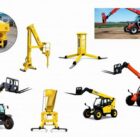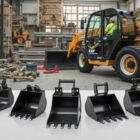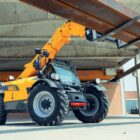


Lift trucks are devices with solid construction and high durability. Thanks to regular servicing and proper operation in accordance with manufacturer recommendations, they can work flawlessly for a long time. However, even they – with intensive and multi-shift work – are susceptible to wear of individual parts and components. From the article below, you will learn which forklift elements most often fail.
Causes of Forklift Failures
A common cause of forklift failures is neglecting daily technical condition checks of the vehicle. Ignoring minor defects can lead to more serious vehicle damage. Driving technique also has a very significant impact on the device’s condition. Exceeding maximum speed, too sudden and imprecise maneuvering leads to tire wear and braking system problems. Another important issue is lifting loads heavier than recommended by the manufacturer. This poses a risk not only of faster forklift wear, but primarily a serious safety hazard in the workplace.
The failure rate of lift trucks is also affected by using low-quality operating materials or spare parts. Original parts can indeed represent a serious burden on the company budget, however, when using cheaper alternatives, special caution should be exercised. When deciding to choose the latter, you should seek help from a proven and trusted distributor who offers only good quality materials.
You must also consider the aspect of ordinary and natural deterioration of the forklift’s technical condition resulting from component aging and material fatigue. Some elements, such as forks and chains, are subject to very high loads, so over time they will simply deteriorate. Fuel, air and oil filters in diesel forklifts also wear out, liquid and vapor phase filters in LPG-powered forklifts, as well as batteries and their connections in electric front forklifts.
Forklift Lifting System
Due to working with heavy loads, the forklift lifting system is most susceptible to all kinds of damage. Forks very quickly suffer various damages and bends, and mast deformations often occur as well. Very dangerous in their consequences are irregularities in the functioning of the forklift carriage, which protects against load slippage, therefore it plays a key role in ensuring operator safety. The inability to lift the carriage or its too slow lifting is a clear signal to stop work and conduct a technical condition inspection of the vehicle.
Forklift Drive Unit Failure
The forklift may also experience drive unit failure. Problems with engine starting or its uneven operation are alarming symptoms that should prevent vehicle use until the fault is located and eliminated. Over time, engine parts and equipment such as spark plugs, cables, and starters also wear out.
Forklift Tire Damage
Stable forklift maintenance, and thus the safety of the driver and transported load, largely depend on the good technical condition of tires. Constant work, various types of surfaces on which the device performs maneuvers, and thus the risk of wheel puncture make tires one of the most frequently replaceable forklift elements. Therefore, it is recommended to always have an additional tire supply in the warehouse, thanks to which production line delays can be avoided.
Braking and Steering System Elements
Performing various types of operations and maneuvers under load also affects the forklift’s braking and steering system. Their efficiency depends on the specifics of the workplace. Therefore, it is so important to maintain their balance, thanks to which the vehicle can be operated long-term and without costly interruptions.
Forklift Electrical System
New forklift models have a number of important functions that increase the level of safety and comfort of use. Based on electronic solutions, they increase device efficiency, serve an informational function and enable work adaptation to unusual conditions. However, increasingly complex electronic systems in short-distance transport devices are susceptible to failures during intensive operation. In this case, diagnostics requires specialized knowledge and appropriate service maintaining the highest standards.
Summary
Thanks to their simple construction, forklifts are not particularly failure-prone devices. Their long-term use is influenced by following manufacturer recommendations, regular servicing, systematic periodic inspections and daily maintenance. Proper operation will reduce the number of repairs performed. However, as with any solid machine – under the influence of intensive and frequent work – over time, individual components will wear out or be damaged. Then it is worth using a trusted forklift service, which will locate and eliminate defects in time, preventing more serious vehicle failures.